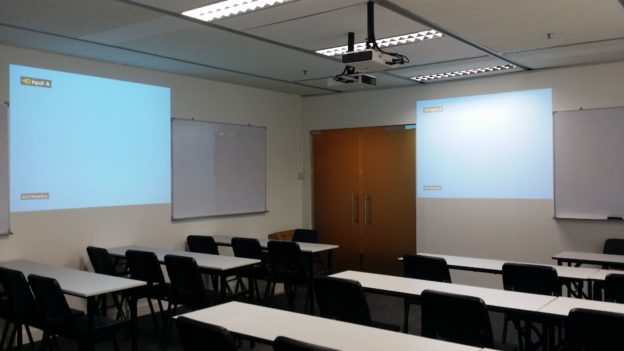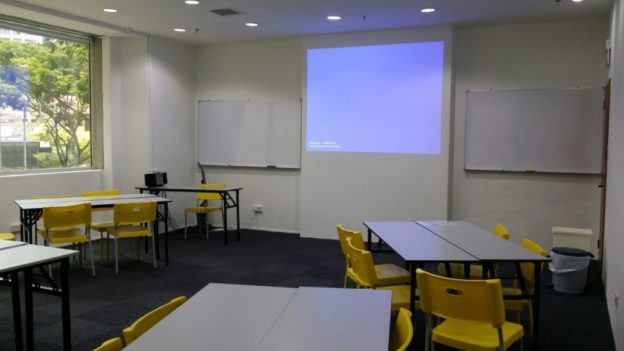
Training room rental singapore seating

5 Creative Ways to Use Seminar Rooms for More than Just Conferences

As you may have noticed, there has been a huge trend over the last few years with respect to seminars and workshops. Not only are businesses offering seminars and workshops to train staff and educate people about their products or services, but it’s becoming more common for companies to hold conferences and events to showcase new products and services. This is a very cost-effective method of promoting your brand and generating leads.

You may not realize it, but a seminar room or a classroom rental is a great place for creative thinking, brainstorming, and problem-solving.

As the economy gets better, more companies and even small groups rent training room to use them beyond the traditional conference space.

Here are some of those ways:


1. Client Meetings

A client meeting is a unique sales opportunity for your business. Why? Because it allows your clients to see you in your element and understand how you work in person rather than over email. 

A seminar room is a great place for that. The space looks professional and feels more intimate and relaxed which allows you, whether you are a professional or a freelancer, to show your personality and establish a relationship based on trust and respect.


2. Meetups

Seminar rooms vary, so it works for small, medium, or large groups. That covers meetups for local professionals, freelancers, influencers, event organisers, and many more. You can gather them in batches of 8, 10, or 20.


3. Learn at Lunch

Classroom rentals generally offer space for people to hold meetings and do training sessions. But, they can also use them for lunchtime learning sessions, presentations, and even networking. Some room rentals provide in-house catering, so better check with the space provider first.


4. Skillshares

Because of its controlled noise environment, you can maximize the seminar room for skillshare. Skillshares are great because they give you a chance to practice, teach, learn and socialize at the same time. The best skillshares have content that’s tailored to the group in which they take place. 

Groups can be tutorial sessions among writers, developers, designers, marketers, and even students.

They’re not only about skills but also about motivation, learning style, and other factors that will help everyone grow and develop together.


5. Student Hubs

A seminar room is an excellent place for students to study for a class or work on homework and projects. Use seminar rooms to provide an environment that fosters student success.

A Group study may include discussion forums, presentations, videos, or whiteboards.


Conclusion

A seminar room has a lot to offer more than just conducting seminars. Think of the space as a blank canvas that can be customized to fit your needs.

The room itself isn’t anything special, but what you do with the space really counts. There are plenty of options out there to help you make it work for your purposes.

So, if your concerns are one of those, contact your seminar room rental provider to guide you in choosing the best for your activity. 


If you like this article, you might want to read this article about 5 Benefits Of Forming A Group Study In A Classroom Rental.

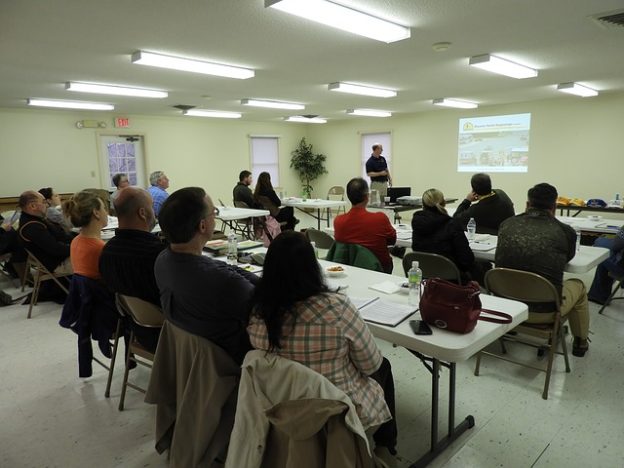
events meeting

5 Benefits Of Forming A Group Study In A Classroom Rental

One of the biggest challenges among students is worrying about being the only person struggling in his or her studies. 

But what if I tell you that this can be addressed by forming a group study in a training room rental? Yes, you read it right. 

Classroom rental provides children with an environment where learning can happen. If the child has fun while learning, it is likely to be a more positive experience for the child. Research shows that children are happier when they are engaged in an activity with peers or a new set of friends. 

In this article, we’ll discuss more of the benefits your child can get in a group study.


 1) Study groups in a classroom rental help to build a social life.

Study groups are a perfect opportunity for students to build a social life. This allows the students to create new friendships with people who share similar interests. 

That social life and the creation of a sense of community can help alleviate the loneliness and isolation many students experience at university. This kind of group dynamics can make them feel safe sharing their personal thoughts and feelings in a non-threatening environment. 


2) Students get an opportunity to get the hands-on experience of working on projects with their peers.

Group study provides students with the opportunity to get the hands-on experience of working on projects with their peers in a rental space. This allows for student-led collaboration, which is vital to the success of a project.

Collaboration means that every person involved in a project contributes something valuable. This includes sharing ideas, offering feedback and helping others complete their tasks. When the group collaborates, it’s easier to stay on task and finish the project.

They can get more done if you work together than if you try to do it all alone.


3) Students studying together improve focus. 

Studies show that students who study in groups are more focused than those who study alone. Group study creates a sense of community and support as they work toward the same goal, which can help students focus and stay on track.


4) Group study in a classroom rental improves the knowledge of students.

The group-study method allows them to share ideas and build on one another’s strengths, and that encourages them to work harder.

When studying in groups, they ask questions and get answers easily from each other, take better notes, review the material more thoroughly, pay more attention, and take their studies more seriously. Thus, it enhances their learning retention and eventually gets better scores or grades.


5) Students get the chance to learn new skills or engage with new hobbies. 

When people feel like they’re being given something for free, they tend to reciprocate. In other words, they’ll be more likely to take action or impart something in return.

So, if a student helps the other student in one of his or her subjects, that student who received the help would reciprocate the act by sharing one of his or her skills, say arts for instance.

Learning new skills and developing new interests in that way makes more sense. Exploring different areas of interest helps them connect on a deeper level. 


Conclusion

Students who study together are more likely to succeed in school. They may develop friendships, learn new skills, and discover new interests. 

Group study doesn’t mean being together with the same group of people. It is more likely to be with people who share the same goal.

When done in a conducive learning environment after class such as a training room rental in Singapore, it can help students form a sense of belonging to a group and make friends with people outside of their social circles.

They tend to become more focused and motivated. As a result, they become more efficient and productive.


If you like this article, you might want to read this article about 5 Steps To Have A Clean Training Room After Meetings.

training

5 Steps To Have A Clean Training Room After Meetings

After training, you know that it can be difficult to come out of the room. You may have even found yourself feeling guilty for leaving all the mess.

As a courtesy to the next renters, it would be great to clean up the space especially when you rent training room. You know exactly how it feels to conduct training in a dirty room.

So, whether only a few of you used the room or a hundred, meeting rooms need to be cleaned after each use.

Here is a quick clean-up checklist when you rent seminar room!


1. Shut Off Projectors And Other Equipment.

No matter what kind of equipment you’re using, whether it’s laptops, projectors, microphones, or other devices that have audio outputs, there should be some standard for how they’re powered down when the room is not being used.


2. Pick Up Any Trash.

The leader of a meeting needs to be diligent about making sure that the room is clean after use. Everyone should be encouraged to pick up stacks of paper everywhere, half-eaten food on the desk, empty drinks, erase the writings on the board, or clear an overflowing wastebasket. 


3. Wipe Clean Surfaces.

As a meeting planner, you should make disposable wipes available for your participants.

Germs can easily be transferred through physical contact with a sneeze, cough or handshake. 

To combat the spread of bacteria, germs and viruses, it’s important to use disposable cleaning wipes to wipe down any surface touched by conference participants before the next meeting.

You can also use them to clean up spills, other dirt and dust.


4. Return Equipment Or Tools To Its Original Place.

It’s important that everyone follow the rules and respect the property of others. Make sure you know where to put back everything you borrowed or moved – whether it’s a chair, table, projector screen, chart board, marker, eraser, etc.

Also, if you bring in items that don’t belong in the conference room, take them back out when the meeting is over.


5. Turn Off The Lights.

After the meeting is finished, the lights should be turned off before leaving the room. 


Conclusion

Many training room renters don’t think of it this way, but space is just as much a part of your brand as a logo or website.

It’s your identity, in essence, and as such, you must treat it with respect and care. 

Therefore, it’s essential to maintain a high degree of cleanliness in the training room, especially after use. 

A simple courtesy gesture will go a long way to ensure the next meeting in the room runs smoothly.


If you like this article, you might want to read this article about How Does A Training Room Today Nurture Collaborative Experience?

event management

How Does A Training Room Today Nurture Collaborative Experience?

Post-pandemic gears traditional offices into a contemporary space that cultivates creativity and collaboration. 

Classroom rental in Singapore now provides flexible workspaces that offer more space, modern equipment, and collaborative technology. 

 If you’re looking to deliver immersive learning experiences to your team, you might want to rent training room.


Hybrid Communications and Collaboration Technology

During the surge of COVID-19, many companies have opted for virtual training as an alternative to face-to-face training. 

Video conferencing applications like Zoom, Google Meet, and Skype have been used widely for both business and educational purposes.

These services provide an easy and affordable way to meet virtually anywhere and in any format, including a simple phone call, audio chat, or shared presentation.

Businesses can use these services to share screen content and host video conferences for internal staff meetings or training and client presentations. 

But since we’re adapting to the new normal, businesses prefer a combination of online and physical training. 

In order to support this kind of workflow, training rooms now are WiFi ready – with high-speed internet connection. 

For team members who can’t attend the face-to-face training, the companies may offer an option of joining them from the comfort of their homes.

This provides a new sense of collaborative experience among the team. 

By implementing these hybrid work strategies, members or participants can input fresh ideas and create healthy engagements that robust productivity and bridges company-wide communication gaps.

It especially creates the feeling that everyone is in the same training room.


Evolution of Workspace Solutions

Typically, a training room is equipped with whiteboards, tables and chairs. But because of revolutionized technology, training rooms now have additional productivity tools such as projectors and projector screens.

These will reinforce the method of training any occupying group will utilize plus the versatility of room layouts, making the flow of discussion seamless and dynamic.

With equipment and furniture that help you organise your devices and office supplies, everyone can be efficient with their own time.

This enhanced workspace solution builds a culture of collaborative work.

Unlike in the conventional huddle room where there is only limited space and facilities to fully execute the training.


Changing Demographics

The fact is, the new generation is more inclined to technology and they possess skills and experience that could contribute to the overall success of the company. 

As millennials enter the workforce, companies need to embrace the changes and offer flexible work environments.

Meetings or training done in a professional and well-equipped training room can help stimulate their knowledge and unleash their talents, hence, promulgate collective efforts for the advancement in their field and the company as a whole.

Also, there is a high chance of meeting new people in a training centre from different organizations or companies who can impart relevant information. 


Bottomline

How do we cultivate collaboration when our current workspaces are designed to foster individual and separate spaces?

With training room rentals, your business will boost the collaborative experience of your team. 

It offers unifying communication technology, modern workspace solution, and changing demographics.


If you like this article, you might want to read this article about 7 Unwritten Seminar Room Rules You Probably Ignored.

training

7 Unwritten Seminar Room Rules You Probably Ignored

In today’s fast-paced world, it’s easy to forget or sometimes ignore how important it is to be courteous and considerate of others.

So, before you decide to rent seminar room or rent training room, here are some helpful tips for seminar room etiquette.

#1 Book your seminar room in advance.

Booking your seminar room in advance lessens the chances of scrambling just to find a room in a matter of hours.

Otherwise, you’ll end up wasting your time and money on a room that isn’t big enough to accommodate all attendees.

The worse thing is, you’ll have to ask coworkers to move their meetings just because you didn’t plan yours.

#2 Cancel your seminar room at the earliest time possible.

In case your meeting is called off but you’ve already reserved a room, cancelling your reservation will be a courteous thing to do.

Cancellation isn’t the best, but it’s better than keeping the space and letting it go unused.

It’ll free up the space and time for another customer to book should they consider it. So, if you must cancel, do it as soon as possible.

#3 Don’t double book.

Double booking can be accidental or intentional.

Sometimes when we book online, we may not notice that we’ve already selected more than the number of rooms we need or we forgot to untick one of the boxes. So, ensure to double-check to avoid such mistakes.

There are times, however, when we’re uncertain about what time works best for us or our team. Hence, we’re tempted to book another room on a different schedule.

But this action goes against the seminar room etiquette.

Wait to book a room until the details are final, or book a space that works for most and encourage the rest to be flexible with their schedules.

#4 Start and End the Seminar on Time.

Always start the meeting as scheduled, or you’ll make everyone feel like you’re wasting their time.

Derailing from the schedule will make you look unprofessional.

Plan your time well ahead of your meeting to cover all that you want to discuss during the timeframe. 

End on time and leave the space promptly so the next meeting can begin on time as well.

#5 Maintain Cleanliness and Orderliness.

You’ll be surprised by how much you can get done at a meeting. You need to do more than just have a presentation. There can be group activities and that means the materials can spread out across the room.

Not to mention having a snack while in a meeting can be a messy affair, with people trying to eat, get paper products out, and find pens.

Basic meeting room etiquette dictates clearing your space and arranging your chairs after a meeting. Don’t leave trash inside the room.

#6 Keep the door closed.

Everyone in the building doesn’t need to know about the discussion in your meeting. 

It is a common courtesy to close the door to give your meeting privacy and not interrupt other workers.

#7 Proper Timing of Using Phones.

Conference room etiquette includes knowing when to use your phone during the meeting.

If you are the one to initiate, make sure to announce before starting the meeting for everyone to turn off their phones or put them away.

This will reduce distractions and allow for a more focused and effective meeting.

Bottomline

Everyone who books for a meeting room needs to be aware of this seminar room etiquette. 

Whether you’re having an exclusive meeting with your core leaders or a seminar for a selected group, strict observance of these rules is a sign of consideration to others, ensuring all users can utilise the meeting rooms fairly.


If you like this article, you might want to read this article about 6 Things To Consider When Planning A Meal Plan For A Training Or Meeting.

event

6 Things To Consider When Planning A Meal Plan For A Training Or Meeting

There’s a whole lot more to food than just grabbing a sandwich or a bagel on the run.

It can be one of the most important parts of a business meeting or training session. As the old adage goes, “Food is fuel for the mind, body, and spirit.”

When planning and preparing meals for training or meetings in a training room rental or seminar room rental, consider these six things to keep everyone attentive and productive:

Key elements in organizing a meal plan:

Attendees

One of the first things you should do is figure out who will be attending the meeting.  You can do this in a variety of ways. The simplest is to ask them, but you can also put together some sort of survey. In that way, you can exceed their expectations.

Think also about the number of attendees so you will know the amount of time you need to prepare the food. 

Schedule

The most important point is that every menu item should fit into one of three categories: light, regular, or heavy. This includes breakfast, lunch, snacks, and dinner. 

The type of catering you ordered for the meeting will depend on the length of the meeting. If it’s short, opt for boxed lunches. If you have more than 30 minutes, choose sit-down lunches. If you have 1.5 to 2 hours to spend at the meeting, opt for buffet-style meals.

Space

Consider the room set up as well.  When you serve a meal, the table is going to be filled with used dinnerware, papers, pens, and laptops. There might not be enough space for a buffet table in a small seminar room.

Regardless of how meals are served, ensure that there is plenty of space for guests to talk, spread out and eat comfortably.

Food 

  1. Taste – People don’t remember what they ate, but they will remember how good it tasted. The flavours should complement one another.
  2. Appearance – While most people focus on the food, presentation is just as important.  How will it look? Will it be attractive to guests? Will it look appealing to the eye?
  3. Practicality – Refrain from serving foods that are difficult to eat or expensive to prepare. Keep it to four or five menus and make sure you keep it fresh. By keeping it simple, you’re limiting the amount of time the food needs to sit around before it gets eaten.

Drinks

Meetings are often packed with a variety of beverages. Water is a great option for keeping everyone hydrated and focused. But if you want to encourage attendees to drink more water, offer them a variety of beverages like juices, sodas, or even coffee and tea.

Caterer

Always hire a professional, highly-recommended catering company to handle all the details. It’s much easier for you to just focus on the logistics of running the event.

Conclusion

One of the main things to keep in mind when creating your meal plan is that it should suit the needs of everyone involved. This means that it’s important to take into consideration your audience when coming up with ideas for your menu. Think also of the schedule, space, taste, presentation, and caterer.


If you like this article, you might want to read this article about Why Does Your Business Need a Great Training Room Environment?

training

Why Does Your Business Need a Great Training Room Environment?

Many business owners failed to analyse the significance of a training room. Perhaps, you are one of those who consider conducting training in your own office or store rather than getting training room rental or classroom rental. Doing so isn’t wrong at all, however, your employees may lose the benefits of experiencing the kind of training conducted in a sophisticated training room environment.

Training rooms are the most effective way to make your business a success and provide an opportunity to train your employees. These are the rooms where employees can learn and practice the skills required to perform their job duties in a proper manner. Let’s take a look at why your business needs a great training room environment.

1.  Enjoy a Comfortable Space 

You want to give your employees the opportunity to gain skills that they can use in their daily work lives. With that being said, you will want your facility to be comfortable so you can train them effectively and efficiently. 

A good training atmosphere allows employees to learn without distractions. It needs a manageable temperature, ample lighting to enable learning and creativity, clutter-free and clean surroundings, and good quality work tables, chairs, and other furniture that are suitable for the workplace. All of these can be found when you rent a training room.

2. Usage of Right Tools and Technologies 

Technology is important for today’s businesses. A good training room should be well-equipped with all the right tools and technology. Having the right technology allows the business to train employees properly. 

Equipment such as a projector, screen, high-speed internet connection, and portable mini amplifier with microphone is highly beneficial during the training session. Complete facilities smoothen the training flow, creating a perfect environment for the employees.

3. Focus On Employee Performance Enhancement

Conducting training inside or within the workplace can be stressful because your attention would be divided. Your current work will catch your attention more instead of you concentrating on the training.

It’s very difficult to focus on anything else while you’re working in a stressful environment. When people are stressed and tense, they often feel more like they are performing instead of actually being productive. 

In a healthy training environment, they can work on developing skills that they need to improve and grow.


Conclusion

 A great training room environment is important for business because a business cannot succeed without a strong workforce. The workforce has to be trained in order to function properly and efficiently so that they can achieve the goals set out by the management and the company owners.

A comfortable training room environment helps prepare them for future endeavours, making sure that they are ready to meet any challenges that they may face. They can be more productive and efficient as well since they are using the right technologies, machines, and other equipment for the best training.


If you like this article, you might want to read this article about Rent Training Room Or Virtual Meetings At Home?

classroom rental

Rent Training Room Or Virtual Meetings At Home?

As technology advances, so does our ability to communicate with each other. Video conferencing is one of the latest communication tools that we can use to connect with others virtually. It’s easy to set up, allows us to see facial expressions and hear voice inflexions, and makes us feel as if we are in the same room as the other person. However, the advantages of video conferencing can also come with disadvantages.

This article explains the downside of virtual meetings especially when done at home, and how you can avoid them by rent training room or rent classroom instead.

Technical Issues

There are a couple of reasons why virtual meetings are not the best choice for all kinds of meetings. Firstly, the technology used in these meetings is not always stable. 

When the participant has a bad internet connection, he or she may not be able to access any documents or presentations. Therefore, there is a need for a place where all attendees can share the same internet connection and the same files. 

Work Environment

Virtual meetings are great for people who live very far from each other and can’t meet face to face. Conducting such seems convenient and comfortable. More so, working in your pyjamas with just your laptop and a hot cup of coffee sounds pretty relaxing. 

However, the hardest part about working from home and going on virtual meetings is that it’s a challenge to concentrate and focus in a noisy environment. You can’t afford to be interrupted. To be productive, you need to get dressed and go to the office.

The research found that the presence of a child or pet can cause distraction during virtual meetings. This means that you may need to bring children or pets into the room with you or find another solution.

Communication Gaps

Misunderstandings and miscommunication can happen at any time but are usually more likely to occur during times when there is less to no face-to-face contact. 

The quality of the meeting depends on the ability of both participants and speakers to communicate clearly. If the exact points aren’t conveyed properly across the screen, the meeting will suffer.

If there’s a communication gap, you can’t just assume that your colleagues are all on the same page and understand what you’re talking about. When you’re in a meeting that’s happening virtually, it’s almost impossible to pick up on all the cues that might indicate that you need to clarify or ask for clarification.

Bottomline

A virtual meeting, which is done from the comfort of your home, might be fun, but it’s not always a good idea. The cons of virtual meetings have been discussed and hopefully these factors will be considered before you decide for your next meeting.


If you like this article, you might want to read this article about 10 Tips To Manage The Training Room During Training Session.

training_room_clifford_centre

10 Tips To Manage The Training Room During Training Session

You’ve been invited to give a session in a training room rental. You’re excited to teach others, but you’re unsure how to confidently carry yourself in the classroom rental and manage the entire session. You’ve probably already thought about your topic, the length of the session, and your audience.

But, how do you catch their attention, and keep the trainees engaged and focused during the session? How will you keep everything in control? In this article, we’ll walk through a proven process for managing a training room during a session.

1. Be People-centred

Training is about building relationships. That’s why, when you’re training people, you must keep it focused on them, not you. People don’t care about you and your credentials. They care about what you can do for them and the value of what you can offer.

2. Know Your Subject Matter

The way to ensure you are engaging with the audience and not just lecturing is to think about the questions you would ask in a conversation. That means having conversations and asking open-ended questions to get people to share their views and expertise. Be prepared for people to disagree with you, and use that to your advantage. Ask why someone disagrees with you, and see if you can resolve the differences.

3. Own the Room 

As you set your foot on the platform, the room is already yours. Establish your leadership presence by owning the room. Your presence should command their attention, cooperation and respect.

4. Read Your Audience Body Language

Reading body language is one of the easiest ways to detect stress and tension in a room, and thus helps mitigate any possible problems.

5. Modulate Your Voice 

A monotonous tone will bore your audience. Modulate your voice to convey various messages and emotions to different people in the audience.

6. Understand That Each Training Is Unique

Even though your topic is the same as the previous training you managed, it’s important to understand the different personalities, motivations, and needs of your audience in order to tailor your content and delivery to the right people. Don’t expect everyone to agree with you. Some may pull the trigger to bring out your skills in handling diverse characters.

7. Get Ready for Dynamics

You’ve likely been using the same metaphors and stories for years. But if you use a metaphor or story over and over again, it loses its impact. You need to find new ways to illustrate the point you’re making

8. Dress Appropriately

When attending training events or classes, dress appropriately. Do not wear shorts, flip-flops, or T-shirts. Your appearance can have a big impact on how others perceive you. Show up in blazers for women or a suit and tie for men if you’re on formal training. Wear shoes that you’re comfortable standing for hours.

9. Create a Fun And Relaxing Atmosphere

When it comes to learning, there’s nothing quite like being around people who are having fun. So bring tons of humour and bring it on at the right timing. 

10. Be Careful In What You Eat And Drink

Avoid eating or drinking something that could distract you or cause you to lose focus such as caffeine and food that may make you sluggish or smell bad.

Bottomline

During a training session, it’s important to keep in mind that the training room is an environment where we must prepare ourselves to work through challenges and struggles. When delivering lectures, the above tips will help you manage the entire session.


If you like this article, you might want to read this article about 5 Ways to Design Your Training Room To Boost Participants’ Retention.

training

5 Ways to Design Your Training Room To Boost Participants’ Retention

If you are a trainer, this article is for you! You will learn 5 ways to design your training room that will increase your participants’ retention rate by leaps and bounds.

The importance of your seminar room rental cannot be underestimated. In fact, it can be argued that a good training room rental can make or break the effectiveness of a seminar or workshop. As a result, it is important to think about its design and functionality before starting to plan and deliver your training.

This article will go through some of the key things that you need to consider when designing a training room so that it will have a positive impact on your participants and you will retain more participants for future events.

Use the Correct Type of Lighting

The type of lighting used in your training room can have a significant impact on the participant experience.

When it comes to choosing the right type of lighting for your training room, you need to look at the following factors:

  • Does your training room have enough natural light?
  • Is the light source bright enough?
  • Does your training room have too much or too little lighting?

To make the best decisions for your training room, it’s important to know how light affects people.

Add Colours On The Wall

People are visually stimulated and respond better to certain colours. So, if you’re trying to retain learners or get them to participate in your training courses, then your walls should be adorned with vibrant, bright, interesting and motivating colours.

Soft blues are calming. Red and yellow can stimulate nerves.

Choosing plain white is also good as you can simply hang paintings on the wall or decorate it with colourful learning materials. 

Explore with Furniture Arrangements

When it comes to training design, nothing beats direct observation. As it turns out, even the smallest details can have a big impact.

In this case, the furniture arrangement in a room has everything to do with retention. The more participants can do while training, the better. Having a small table with a laptop on it is great for individual training. But if the table can be rearranged to create a larger space to spread out during group sessions, it will keep everyone engaged.

You should try different furniture arrangements to find out which ones encourage interaction.

Maximise Sight Lines

Here’s the deal: If people don’t see you, they’re less likely to engage. So when you’re designing a training room, make sure to put in good sightlines and ample room to manoeuvre.

Also, ensure that the screen is set up at the eye level of your audience. Elevate it for them to comfortably see your presentation.

Conclusion

There is no magic formula for how you should design your seminar or training room. However, a room that helps learners feel comfortable is conducive to higher retention rates. So, before you jump into your next training program, consider those five areas.


If you like this article, you might want to read this article about A Smart Checklist to Making Client Meetings Successful.