classroom rental

6 Essential Pieces of Equipment You Need To Get Your First Blended Training Session Started!

What if you could start your training session by inviting a speaker to join you virtually inside a classroom rental? We all know that sourcing out a speaker or trainer to attend your face to face training session can be expensive.

You have to pay for the travel expenses, hotel accommodation, and even the transportation. So, what if you will only have to pay for the professional fee and save the rest of the cost? Sounds better, right? 

But before you rent training room and invite your participants, you have to know the things you need to get your first virtual plus face to face training session started.

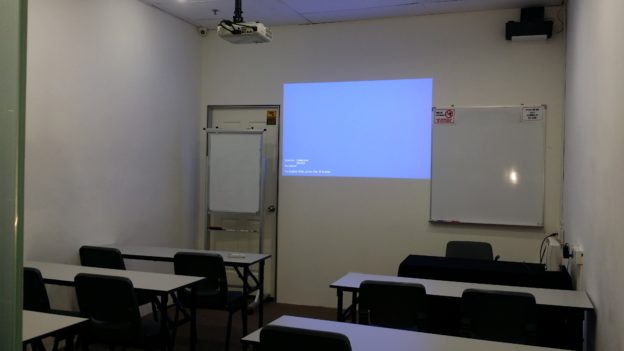
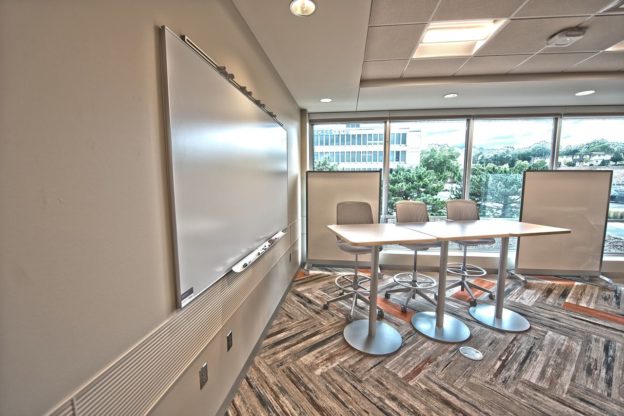
Apart from the basic equipment and furniture like conference tables, ergonomic chairs, whiteboard, and electric outlet, there are 6 modern and essential pieces that will help kickstart your first blended training session. 

  1. Laptop/Computer

The laptop or computer that you’ll be using for your first virtual training session is one of the most important pieces of equipment you’ll need.

  1. Internet Connection/Wi-fi

For the best possible quality of your virtual training session, make sure that you have an internet connection. You’ll need a strong internet connection because the trainer will be talking and streaming the presentation from the cloud to your screen. 

  1. Video Conferencing System

This is one of the key things that have changed a lot over the last few years. In the past, the only way you could communicate with people who were physically located in a different city was to meet them in person.

But now, thanks to video conferencing systems, you can get the same results by simply sitting in front of a computer. That is because this is a software-based tool which makes it possible to use the Internet and your PC to set up a conference call.

A good video conferencing system will allow you to share live screen, capture and save videos from the webcam, and share files easily. You can also use it to record video tutorials. 

  1. Digital Audio/Visual Projectors 

Digital audio/visual projectors are a necessity for any small to medium sized business or enterprise, which require to present lectures and training. DPs are a better alternative to projectors as it uses video camera technology to project video, presentations, slide shows, documents, images, and other multimedia content onto a wall or screen.

  1. Polycom Speakerphone

If you plan on conducting your training session in more than one room, you’ll need a Polycom speakerphone. It provides crystal clear phone calls during the conference, where everyone distinctly hears the conversation, making it feel like everyone is in the same room.

This kind of speakerphone is great for any virtual training session that involves people in different locations because it’s easy to set up and operate. 

  1. High Definition Video Cameras 

Video cameras can help you capture the details that are important in training sessions. The camera’s ability to capture high definition video is the primary reason why it’s an essential piece of equipment.

The camera allows you to see what the learners are doing and how they are reacting to the information you are presenting to them. If you don’t have the right camera, you might find it difficult to make the most of your training session.

Bottomline

The reason why these equipment are recommended in blended type of training is because you want to make sure that your participants are getting the best experience possible.


If you like this article, you might want to read this article about 4 Common Mistakes That Kill Training Programs And How To Fix Them.


training

4 Common Mistakes That Kill Training Programs And How To Fix Them

These seven mistakes are the most common reasons why training programs fail. As a manager, you can’t just rent training room, throw people into a training program, do the same old, ineffective tricks and expect them to perform like an expert within a couple of weeks. If you’re ready to make the leap to a more effective learning system, it’s time to stop making these mistakes.

1. Not having a clear communication
One of the reasons why training programs fail is because of poor communication. This is especially true of training programs that are conducted in a classroom setting. When it comes to training, the only thing more important than content is delivery.

We need to understand that our audience members don’t want to hear how great we are. We need to figure out what they want and give it to them.

2. Not Using The Right Kind of Content
There’s nothing worse than seeing the content you just completed on the screen, only to find out that the information is incorrect, outdated or simply not relevant to the audience you were hoping to reach. Feeding them with wrong or outdated information can cause confusion and of course will defeat the purpose of the training.

So, check to see what’s new and relevant. Understand the type of content that works best for you and your audience, and double check your content before walking in the classroom rental.

3. Congesting Too Many Topics Making the Program Too Long
Information overload may cause confusion and boredom. If you’ve ever attended a workshop or training program, chances are, you’ve experienced the “I’m too busy” excuse. That is because some people find lengthy programs boring and at the end of the training course, only a few percent of your content is retained in their minds.

When you’re creating a training program, don’t try to cram too many different topics into it. This doesn’t mean that each and every topic has to be covered in great detail; rather, focus on covering the topics that will make the most impact. If you want to know how to grow your business, make sure you cover the topics that will have the most significant impact on your bottom line.

4. Creating A Poor Experience For Participants
We’ve all been there. The training program looks great. The speaker and the topics seem excellent, but the training just isn’t engaging, inspiring, or fun. The reason that training programs don’t produce the desired results is because of a lack of involvement. They’re not doing the work of being part of the process. They’re looking at someone else doing the work, or they’re just passively listening.

A person needs to really participate in the training to get the best results. There are many people who are involved in a training program, but they don’t know what to do or what to say. If you’re participating in a training program, you need to take some responsibility for it.

It’s your job to make sure that the training is interesting, fun, engaging, and that you’re getting results. If you want to improve your skills and get better results, you have to be an active participant. You need to learn what works and what doesn’t.

Summary
If you want to build a successful training program, you have to convey your message clearly, use relevant and updated content to your audience, keep your program brief and on point, and create an engaging and fun experience for your participants.


If you like this article, you might want to read this article about 4 Steps to Turn Difficult Employees Into Awesome Employees.

office argument

4 Steps to Turn Difficult Employees Into Awesome Employees

We all know that difficult people can make a company a tough place to work.

The truth is that you have a limited time to get your employees to perform at peak levels. So it’s important to spend the time to get to know your team—and help them become more successful. You’ll find that there is a good step-by-step process you can do to turn difficult employees into awesome employees. So, get your training room rental ready because this article is something good to share.

1. Investigate the Situation
The first step is to find out what happened. Interviews with the employees can provide the first set of clues. In the interview, try to understand where the employee’s thinking comes from. Is it the situation or is it personal?

There are five questions you can use to identify a disruptive employee.
#1: What kind of attitude does the person exhibit?
#2: Are the person’s attitudes destructive or constructive?
#3: Does the employee’s behavior or attitude disrupt the company’s effectiveness?
#4: Is the employee’s attitude or behavior a problem or a problem that needs solving?
#5: How does the person’s behavior or attitude affect the company?

Don’t jump to conclusions. Be open-minded and do due diligence to know what has occurred exactly.

2. Plan for a One-on-One Discussion
If you’re dealing with a disruptive employee, the best approach is to talk to the person about it. Be as open and honest as possible, but don’t assume the person is going to behave the way you want him or her to. They may be rude, inconsiderate, and downright destructive.

But just go on. Make sure the employee knows why you’re talking to them, and be clear that there’s no room for disagreement on what is expected.

Analyze the root cause of the issue and listen to their side as well to have a clear understanding from all perspectives. In order to understand the situation, you must know why the person feels this way. Why did this happen? You need to understand the underlying emotional issue in order to truly change the employee’s attitudes.

3. Develop Preventive Measures and Motivating Solutions
The person who is demonstrating disruptive behavior is usually not aware that the behavior is creating problems. They are unaware of the long-term impact of their behavior on the organization. As a manager, you have to develop a strategy to help the person understand what’s going on and help the person change the way they act. Help them rebuild their self-image and confidence by pointing out their positive traits and the areas they need to improve on and how they can improve it.

Simplify an agreed course of action. Ensure the employee has input towards agreement, discuss what is expected from the employee, and schedule the evaluation dates.

They also need to see that the company cares about them, which makes them feel respected and valued. If employees feel that way, they’re more likely to show up to work on time, be more engaged, and do their jobs.

For employees that might be struggling with the wrong role, you can assign them a different work function that matches their personalities.

4. Offer Training and Guidance Courses
Surprisingly, one bad apple really can spoil and damage a highly performing team in a short span. To avoid and minimize the chances of wreaking havoc, better rent seminar room, invite a professional, and organize a seminar regarding the effects of disruptive behavior in the workplace and how to overcome it.

Conclusion
Don’t give up on difficult employees. They may have had bad experiences in the past, or they might simply need more training. Regardless of the reason, there’s no point in throwing a person out the door who could really benefit from some coaching. If you work together, your difficult employee can become a great member of your team.


If you like this article, you might want to read this article about 5 Common Distractions in the Training Room And How To Eliminate Them.

training_room

5 Common Distractions in the Training Room And How To Eliminate Them

Most people agree that there’s nothing more valuable than having a place to train. But when it comes to getting started, many businesses struggle to create the right training environment—one that makes the most of their space and encourages employees to take ownership of their learning.

Distractions are a huge problem in the training room. When people get distracted, they either forget what they’ve been told, or they don’t pay attention at all.
Now let’s look at some of the most common distractions you might face when training and the best ways to address them.

1. Too Much or Too Little Light
If you want to get the most out of your training, consider how the environment can affect your audience. The more the light affects the subject, the harder it is for them to see what they’re looking at. In the same way, the less the light affects the subject, the easier it is for them to see what they’re looking at.

The ideal scenario is to keep the light on the subject at a consistent level throughout the entire training session. The only exception is if the trainer wants the light to be turned off for a specific purpose.

2. Uncomfortable Furniture and Inappropriate Room Set Up
A training room should be designed around ergonomics. There are two main ergonomic elements to consider: task organization and comfort. Task organization involves the arrangement of furniture, such as tables and chairs, and the storage of materials needed to complete a task.

The second is comfort, which includes the design of the environment itself.
The goal here is to promote comfort. So, provide ergonomic chairs and arrange the furniture that would help them easily move and do the activities during the training.

3. Freezing or Hot Temperature
A comfortable classroom rental space will help students focus on the task at hand. The room’s temperature can be a tricky thing to get just right. Too cold, and students won’t want to sit there for long periods of time. Too warm, and students’ attention will wander.

4. Poor Acoustics
The next principle on our list is acoustics. Acoustics is a term that describes the way that sound travels within a space. In a physical environment, acoustics can play a major role in how people experience and interact with what they’re doing.

For example, we’ve all been in a classroom where the instructor speaks loudly and at high volume, creating a noisy environment.
If you want your team members to engage with your content and participate in the learning process, your training room rental spaces need to be conducive to this.

5. Messy Space
An untidy room can hamper the learning. So, before you let your staff use this room, you should spend some time cleaning it up. Make sure the room is well organized and free of clutter. If you have lots of books or magazines to keep your employees company, make sure they’re stored neatly and don’t block doorways.

Summary
The training room needs to be an environment where your trainees can focus and learn. A distracting environment will distract your trainees. The above is a guide to help you create a comfortable space for them.


If you like this article, you might want to read this article about What Are Intrapersonal Skills and Why It Matters In A Workplace?

talent management

What Are Intrapersonal Skills and Why It Matters In A Workplace?

While we need to recognize our Interpersonal skills in building relationships with others, we have to recognize our intrapersonal skills more importantly in communicating with ourselves.

Most areas of our lives require intrapersonal skills since these internal abilities and behavior allow us to carry out our emotions, thoughts, and awareness. ‘Intra’ means inside. If we can reflect, analyse, and interpret what goes on inside of us, we can achieve a meaningful life, increase productivity, and foster happiness.

Any company and team prefer people who have strong intrapersonal skills. This is because, first, a person who can understand his own self can understand others. Second, a person who has internal strength knows how to approach every challenge, focus on goals, creatively come up with solutions, and make informed and sound decisions.

What are some of the most important skills that are critical to any job?

Focus and Attention
If we are fully aware of our goals, we will become focused on our task. Despite the busy and noisy surroundings, our attention is centered on hitting the target. We tend to accompany it with discipline by distancing ourselves from destruction and keeping on schedule. Hence, we become productive and less stressed.

Adaptability
Change is inevitable. The best skill we can rely on to this is flexibility to the situation whether we are presented with an additional task, moved to a different department, or promoted. Trying something new can be scary but it gives us room for growth.

A person who is adaptable to changes is fearless to evaluate risks and welcome new opportunities, hence, is capable of creating action plans to mitigate the negative effects and aggravate the positive side.

Decision-Making
We can get advice and opinions from other people but if we are aware of our own thoughts and feelings, we can rationalize what we hear from others and from ourselves then come up with the best decision for the matter.

Try journaling. Jot down your emotions and ideas, daily experiences, and even goals. So when the time comes you have to decide for yourself or even for other stuff, you can simply look back in your notes and weigh things out.

Creativity
In every problem, there are different solutions. Generating a unique idea to solve each dilemma is a skill and a worker who possesses that is a gem to any industry.

Explore your talents and unleash your creativity.

How Can You Help Your Employees or Team Members Improve Intrapersonal Skills?

  1. Provide Seminars or Trainings
    If you are a company owner or a team leader, you’d want your employees or members to build these soft skills. If these abilities are not innate to them, you can possibly do something to cultivate this kind of intelligence. Rent classroom and organise intrapersonal skill development training.
  2. Display Posters About Self-Awareness
    Whether you have your own office or you rent training room, ensure that you post quotes on the wall to remind them of connecting themselves for a healthy inner dialogue. Just like “Make time for self-reflection”, “Create realistic goals and recognize achievements” and “Practice Positive Self-Talk”.

Intrapersonal skills are vital especially in a corporate setup. It increases the chance for employability. Though not everyone has these abilities, they can be cultivated.

If you like this article, you might want to read this article about What Employees Need To Understand About Interpersonal Skills.

event management

What Employees Need To Understand About Interpersonal Skills

While we think that technical skills are crucial to the business world, soft skills are just as important. Soft skills can be classified into two: Interpersonal skills and Intrapersonal skills, which are deeply connected to each other.

Interpersonal skills also known as social skills are traits we depend on when we interact and communicate with others. Intrapersonal skills, on the other hand, are the talents or abilities that reside within ourselves and help us in solving issues.

In this blog, we’ll discuss the significance of Interpersonal skills, their different types, and how employers can help their employees to improve them.

Why is Interpersonal Skills Important?
Solid social skills can influence positivity towards work, build stronger work relationships, boost emotional intelligence, and help perform proficiently. Those abilities can make us understand other people, fine-tune our attitude to work together effectively, and contribute to the company’s growth.

As an employer, you must ensure that your hiring manager considers this criterion on top of the list when selecting applicants. Regardless of the job vacancy you’d like to fill in, your workers must be able to get along well with coworkers, managers, customers, and clients.

What are the Types of Interpersonal Skills?

Communication
Being able to communicate well is one of the most important skills in any job. If you work as a human resource manager, for instance, you would need excellent communication skills in order to coordinate with an event specialist when you have to rent seminar room for the company employee seminars or training.

Listening
Listening goes hand in hand with good communication. Communication is a two-way process. While we need to voice out our ideas, we have to carefully listen to the ideas of others, too. That’s one way of showing respect and value to our clients, employers, colleagues, and employees.

Empathy
Empathy is a kind of skill that allows us to get along with everyone in the workplace. It is the ability to understand and care for others. It’s being sensitive to how others feel about the situation.

Conflict Management
In every workplace, there will always be an issue that we have to deal with. Whether the issue is between two employees and you have to act as a mediator, or between the company, you’re managing and your client. What matters most is we have the skill to resolve conflicts.

Leadership
Leadership doesn’t always pertain to a managerial position. Being able to inspire, motivate, reinforce, and instruct are the qualities that make us a true leader. The team’s success is the overall goal.

Teamwork
Teamwork is part of the interpersonal skills as it promotes admirable company culture and a respectful work environment.

How Can You Help Your Employees Improve Social Skills?
Some people have such innate skills but everyone can develop them with practice. So, as an employer, you can organize Interpersonal Skills Development Training. Invest in your people. Rent training room, find a good trainer and set a schedule.

Summary
Interpersonal Skills are a crucial requirement for any workplace to nurture optimism, productivity, and team dynamics to attain company success. It is vital that employers understand the value of helping their employees develop their social skills. Providing training would be a great move.


If you like this article, you might want to read this article about 5 Powerful Strategies to Cope Stress.

classroom rental

5 Powerful Strategies to Cope Stress

The ever-increasing demands of life can contribute to stress. Stress is a physiological and psychological response to conditions the body and mind find to be immense.

When we experience stress, our bodies give us energy and motivation to get matters done, returning to a normal relaxed state only when things are over. But constant stress means that our body system rarely shuts off, leaving us feeling demotivated.

This commonly occurs in a workspace. Let’s say in a classroom rental space, an employee was assigned to do the paperwork, and each day, it’s piling up. It reached the point where he or she can no longer handle the overwhelming tasks.

Failure to manage stress can negatively affect the quality of life, health, relationships, and work. Many people tend to get sick, depressed and anxious, irritated with people surrounding them, and disrupted with their jobs.

If you happen to be the head of the company and you find your employees experiencing such tough times, organizing stress-management training would be a big help. Rent training room for them and schedule the session at the most possible time.

You can even share these tips for them to feel less stressed.

Perform Deep Breathing Exercise.
Deep breathing is one of the most convenient yet effective methods to lower stress in the body. When we breathe deeply, a message is sent to our brain to calm down.

It is done by simply inhaling in a count of five seconds, holding for two seconds, and releasing to a count of five seconds. We can execute it whenever and wherever.

Treat Stress As A Friend
Stress is oftentimes how we perceive it. If we regard stress as useful no matter how unfavorable the situation is, then our body’s stress response changes. Our body becomes relaxed and our mind becomes clearer.

Having an optimistic viewpoint allows us to identify our strengths and areas for improvement.

Observe A Healthy Diet and Get Moving
Combat stress by eating healthy food, pairing it with regular exercise. A healthy body is equivalent to a healthy mind.

Balanced diet aid in boosting our health as stress can deplete the vitamins and minerals in your body. While engaging ourselves in physical activities can help us release stress.

Connect with Others
When we feel stressed, our brains discharge a neuro-hormone, oxytocin. Oxytocin elevates our confidence with others and compels us to express our emotions to them. The more we get ourselves connected with our friends or loved ones, the more oxytocin is emitted, which supports the recovery from stress.

Develop Stress Inoculation
We have the power to manage stress better; much more to master it. Whenever we encounter stressors, our mind goes back to the times when we have faced challenges and tells ourselves that we once have overcome them, so we can do it again this time.

Conclusion
Stress doesn’t have to stress us out. There are plenty of ways to manage stress. It only requires constant practice. Just remember that stressful situations can be opportunities for growth.


If you like this article, you might want to read this article about All You Need to Know Why Micromanagement is Harming Your Company.

hiring manager

All You Need to Know Why Micromanagement is Harming Your Company

If you notice your leaders doing micromanagement in your company, book a classroom rental and discuss how micromanaging can undesirably influence the working environment. Here’s all you need to know to help your employees unleash their full potential freely.

What is Micromanagement?
Micromanagement connotes a negative management style that focuses on closely observing the work of the team members. Although monitoring the progress of the task may sound good, getting yourself, as a manager, involved every step of the way until the entire project is completed is not healthy.

What Does It Look Like?
Let’s put it in a scenario. The manager asks a secretary to organize training. This worker has to handle everything – training room rental, create a PowerPoint presentation, arrange schedules, etc.

This manager keeps on requesting countless revisions and constant updates of every little thing the employee does instead of just assigning the job, clarifying for anything else needed and informing the deadline, and then simply leaving the employee to get the job done.

If you are this kind of manager who frequently walks around the office, demands something more often than necessary, and looks at even the slightest mistake, then you are micromanaging. In most cases, you tend to designate the task to others when the first assignee seems incapable for you but ends up taking over.

This management style can be detrimental.

What are the Root Causes of Micromanagement?

The need for a team lead to micromanaging can surface for a number of reasons:

  • Can’t delegate the task especially when he previously handled the process before he gets promoted
  • Can’t provide clear instruction due to confusion about the task that he needs to control the situation
  • Failure to establish trust and support with the team member
  • Lack of skilled employees on his team
  • A feeling of anxiety and low self-esteem

What are the Negative Effects of Micromanagement?

  1. Increased Stress and Fatigue due to work.
  2. Occurrence of health problems such as high blood, heart attack, depression, eating disorder, and sleep interruptions.
  3. Draining the confidence. Feeling the loss of autonomy is emotionally straining. When everything that the workers do is controlled, they will begin doubting themselves thus affecting their morale. Instead of taking responsibility, they will become dependent.
  4. Stifles creativity and innovation. Micromanaging is hampering your employees’ unique insights, skills, and talents. Instead of letting them explore new ideas and bring something new to the table, they will be limited on what they are asked to do.
  5. Decreased productivity. Constant surveillance on every input will make the employee slow down the process to ensure the instructions are properly absorbed. This will delay other tasks.
  6. Not scalable. Micromanaging will drive away from the big picture. Instead of making sure that every project is accomplished for the overall strategy, the micromanager’s time is already consumed with team members’ responsibilities. Eventually, this is not scalable and practical for the company.
  7. Loss of Trust. Trust is valuable to any company. When employees are micromanaged, they will lose the sense of trust and loyalty to the organization.
  8. Increased staff turnover rate. Micromanagement demotivates employees which makes them not show up every day and inevitably leave the company for somewhere they will feel valued. This increases turnover wherein the cost of recruitment and training is on the line.

Now you understand how micromanaging can bring a toxic culture in the workspace. Train your leaders to lead without suffocating their team members.


If you like this article, you might want to read this article about Get Rid of 8 Habits That Cause Low Productivity At Work.

presentation

Get Rid of 8 Habits That Cause Low Productivity At Work

Distractions at work are everywhere and sometimes are inevitable such as noise coming from the outside, phone ringing, nearby group meetings, and more. When it catches your attention, it may result in low productivity in the workplace.

Low productivity can delay career progress, cause health issues, and restrain work-life balance because you are always beating the deadline and you have no time to recharge.

However, there are also distractions that only you can control. Controlling these common bad habits can help you to get back on track.

Attending Personal Calls, Messages, and Chats
Instead of constantly checking and replying to family or friends’ messages, specify a time when to attend them unless it’s an emergency. If you still find it hard to do that, leave your phone inside the locker or somewhere away from you.

Browsing Unrelated Sites
Googling on something work-related is totally fine. But reading the news or watching funny videos while doing your tasks is absolutely not! To keep yourself from browsing irrelevant sites, install a website blocker.

Checking on Personal Social Media Accounts
You only want to check the number of likes in your post on Facebook and Instagram. But someone left a comment so you replied. Then, you scrolled down a bit and found something interesting. Until you realize that you’ve already spent 20 minutes of your time.

See how a simple act of opening the app can distract you? Better turn off the notifications during work hours.

Messy Space
A cluttered desk can clutter a mind. It can impact an employee’s mood and attention, limiting their capacity to process information. When your focus is disrupted, you will be confused, stressed, and anxious.

To combat distractions due to clutter, remove unnecessary items on your table and install space-saving storage organizers.

This also applies when you’re conducting training. Ensure that the training room rental space is clean and orderly. As much as possible, make your training paperless by having all the records and data grouped in folders to avoid clutters.

Gossiping or Chit-Chatting with Co-Workers
Your workmate suddenly brought up the news about a friend. Then there you are, instead of preparing for the presentation, got hooked on the culprit.

To avoid that, work alongside people who are focused and propelled by productivity. You can also suggest to the management to rent seminar room and conduct lectures on how to reach the maximum potential of every employee.

Daydreaming or Thinking of Personal Matters
Rather than pondering on things that you would like to buy or places you’d like to go, learn to set aside those matters when you are working. Inhale, exhale, and clear your thoughts.

Failure to Breakdown Tasks and Specify Schedules
A large workload can be overwhelming which makes you get interrupted easily. Categorizing your priorities and sorting them into smaller tasks can help you finish as scheduled.

Abusing Your Health
Poor health can be bothersome. How can you work properly when you’re experiencing pain such as headache, stomachache, and poor eyesight? Let’s face the reality that our body is deteriorating. Hence, we need to eat healthy food, take enough rest, and do regular exercise.

Summary
It will only take a few seconds of interruption to totally lose your focus yet it will take several minutes to regain it. Therefore, keep the things that can steal your attention away from you; otherwise, it will drag down your productivity.


If you like this article, you might want to read this article about You Ought to Read This If You Can’t Decide Which Type of Training Is Best for You.

training

You Ought to Read This If You Can’t Decide Which Type of Training Is Best for You

Which training is the best for you? In today’s day and age, more and more companies find convenience in conducting training online, more so in the post-pandemic. Yet some individuals remain strongly emphasizing that virtual training isn’t always the best option for everyone.

Know why?

Online Training vs Classroom Training #1: Human Interaction

Both online and classroom training have human interaction. Since physical interactions with a teacher and peers are involved, in-person training makes a great avenue for group activities and interactive projects. This also paves a way for building camaraderie easier and expressing non-verbal cues compared to virtual communication.

In cases like online training is required, instructor-led training and webinars may be preferred. There are still trainees, however, who are comfortable and confident in learning online.

Online Training vs Classroom Training #2: Hands-on Experience

Although technology is within grasp that you can send out activities and assessments in just one click, there is still a lot of training that can’t be done online such as in the medical field, electronics, engineering, etc.

Online Training vs Classroom Training #3: Venue

With training room rental, there is freedom for you to choose which venue is conducive for learning among other factors like the location, scalability of the area, and amenities. Having a physical classroom creates an atmosphere that will help learners focus on the discussions and training.

While the venue for the distance training can be just anywhere, at home or in a coffee shop, where distractions are common. Each time the trainee pauses the video and leaves his desk and comes back after doing something else, he will lose every amount of productivity.

On a positive note, training done virtually is a great alternative for individuals that work remotely or have responsibilities that make it difficult for them to attend the said training in person.

Online Training vs Classroom Training #4: Training Materials

Training materials which are accessible online 24/7 is advantageous for trainees to learn the course at their most convenient time. They can even skip the pages which they have already mastered and begin on the level they prefer instead.

They can also review the skills they need to acquire which are oftentimes forgotten after a traditional class.

In a classroom setup, on the other hand, training resources are available during the training period through presentations and handouts.

Online Training vs Classroom Training #5: Cost

On-site training can be pretty expensive. If you have to hire a speaker outside the city or country, then most likely, you’ll have to pay for his transportation. Then, if he has to stay near the venue, then you’ll also have to pay for it as well. On top of that, of course, you have to pay the professional fee. That is for the speaker alone. If you have no venue, then a classroom rental is recommended.

However, providing your employees with a training program especially for development is a good investment. You’re investing in your people to help you in growing your business.

But if you are on a budget, then online training is a smart choice. It’s less expensive since you only have to pay one time for the source of your course program.

Is In-Person or Online Training Best for You?
That question solely relies on the kind of training to be executed, the industry or the field of work, the learning absorption and the location of the attendees, and the budget allocation. When you have considered all of that, then it’s up to you to weigh which one is fitted to your requirements.


If you like this article, you might want to read this article about How Workshops, Seminars, Conferences, and Symposiums Differ?