4 Types of Training to Invest In

studying-699485_1280

If you want to get the best out of your business, you have to think about how you can create skilled and energetic workforce. The only logical way to do that is to invest in a fool-proof training program. It’s not a new thing though, but businesses seldom consider the importance of training.

In Singapore, where things change rapidly, training has become an integral part in updating practices and educating employees about new opportunities. While the country has been job-flexible in many ways, it’s not easy to become the part of workforce if you ignore training.

This is the only reason why training has its own place in the development of skilled human capital. Among many other factors determining the value of training, some key areas where it becomes vital for all organization has been:

  • Health and safety benefits for employees
  • Awareness about workplace environment
  • Reducing employee retention – a major threat for services industry

This post talks through the important training sessions you should conduct, in order to mishaps.

1. Orientation

Needless to say, every employee needs understanding about the place where he works and the responsibilities of his job. Orientation is the basic part and here is a valid reason why it’s even more important for manufacturing businesses than services businesses;

  • 1.3 million US-based employees encounter injuries every year, because of the lack of orientation training.
  • 5,500 employees die of injuries every year, only in the U.S, and that’s because of the poor orientation.

What could you possibly do? The answer’s quite simple. Invest in training. If there is lack of space with your organisation. You could always explore holding training outside and rent seminar rooms with established training vendors. They offer you  great spacious rooms to conduct such industry-specific seminars and help save the workforce from potential damages.

2. Corporate Wellness

You can also help your employees reduce healthcare expenses by conducting wellness programs and training sessions. In this way, according to studies, you can help them save $1.65 per dollar spent on training.

Following ideas are worth implementing:

  • Diseases screening
  • Health risk assessment
  • Fitness facilities
  • Nutrition workshop
  • Substance abuse
  • Smoking cessation
  • Weight management
  • Healthy sleep habits

3. Customer Service

To give your employees a chance to learn quickly, you can invest in fully furnished training rooms, and you’ll find a lot of training room facilities in Singapore. Some popular ideas include:

  • Customer service skills
  • Identifying customer needs
  • Phone etiquette
  • Tackling irate customers
  • Listening skills

In this way, you can teach your employees:

  • How to turn contented customers into recurring customers
  • How to handle customer complaints

4. Workplace Ethics

In 2008, the United States public department received more than 95000 complaints and majority of them dealt with sexual harassment. In fact, there were 32,000 reported cases of sexual harassment in 2008. Employers had to pay close to $275 million to remunerate the complainants.

Do you want to save yourself from lawsuits or other related troubles? There’s no point saying, “No” to it. How are you going to ensure that? You can do so by investing in classroom training programs.

You can invest in the following programs which should be held periodically:

  • Interpersonal skills
  • Sexual harassment
  • Workplace diversity
  • Code of conduct

If your organisation needs a comfortable, affordable and convenient training room rental in Singapore, click here


3 Things You Should Expect From Rental Training Facilities

conference-857926_1280-compressorRunning a business or a company is not an easy task. It requires a lot of efforts, constant learning and training of employees and coworkers. It holds significance due to the fact that this world is evolving with the span of time and so does the norms and values, culture and heritage as well as its rules and regulations. In order to be competent one need to evolve with the speed at which the world is evolving.

  • Are you an entrepreneur?
  • Are you expecting a foreign delegation?
  • Do you wish to conduct a training session?
  • Are you thinking of conducting a seminar?
  • Are you going to launch a new product in the market?
  • Have you run out of space to conduct your meetings, training sessions and seminars?

To facilitate such entrepreneurs having all the troubles regarding their training rooms and conference rooms, there has been introduced as a solution. Singapore has specially planned rental rooms by most incredible architectures of Singapore. These are rental rooms built in order to aid in conducting the seminars, board meetings, training sessions, workshops, conference or any such formal meetings and various other types of gathering.

1. Advantages

These training rental room  packages come in many varieties. Three advantages concerning with them are as follows:

  • They are cost effective,
  • They offer freedom of customization, and
  • You expect nothing short of excellent service

Above mentioned are the core advantages one could gain by Singapore’s  training and seminar rental rental companies. They are almost spread all around the Singapore in order to assist their clients as well as for their guests. This particular quality gives their clients and clients’ guests an edge; facilitating them with easily accessible location.

2. Customization

The degree of freedom in customization covers a wider range in order to provide their clients with flexible options. There are primarily different kinds of customization offered to their customers, namely:meeting-business-936059_1280-compressor

  • Seminar style rental rooms
  • Conference style rental rooms
  • Classroom style rental room
  • Round-table conference rental rooms
  • Private meeting rental rooms
  • U-shaped conference style meeting
  • Promotional seminars adjustment
  • Workshop set up etc.

These are the few customization options mentioned that are available to customers with much more in the vision of Singapore rental rooms. These are not the only benefits you get to have by renting a seminar room or classroom in Singapore.

3. Quality and Commitment

On top of everything these service providers make sure that when they commit to their client, they also promise their clients and their clients’ guests the security within the premises, temporary lounging, neat and clean environment, hygienic food as well as surroundings, spacious and long stretching parking lots to accommodate your precious vehicles, odorless and spacious rooms according to your requirements, both comfortable and professional environment.

However, the list does not end here. It goes on… along with such amazing packages they have to offer when it comes to lounging. These rental room services in Singapore make sure that when you take their services they also keep in mind the small details that matter a big deal when conducting any kind of meeting at the professional standards.

7 Reasons to Believe in Training Room Rental Services

Training-Room-Rental-compressor

In countries like Singapore where business dealing and trading are at its peak, people need an adequate environment to deal with their day to day business agendas.

Often small scale businesses have insufficient workplace to conduct their meetings, trainings, seminars and workshops. So is the case with those who are running their business online. Hence, to ease such rising entrepreneurs, Singapore has yet found another way out, the training room rental industry.

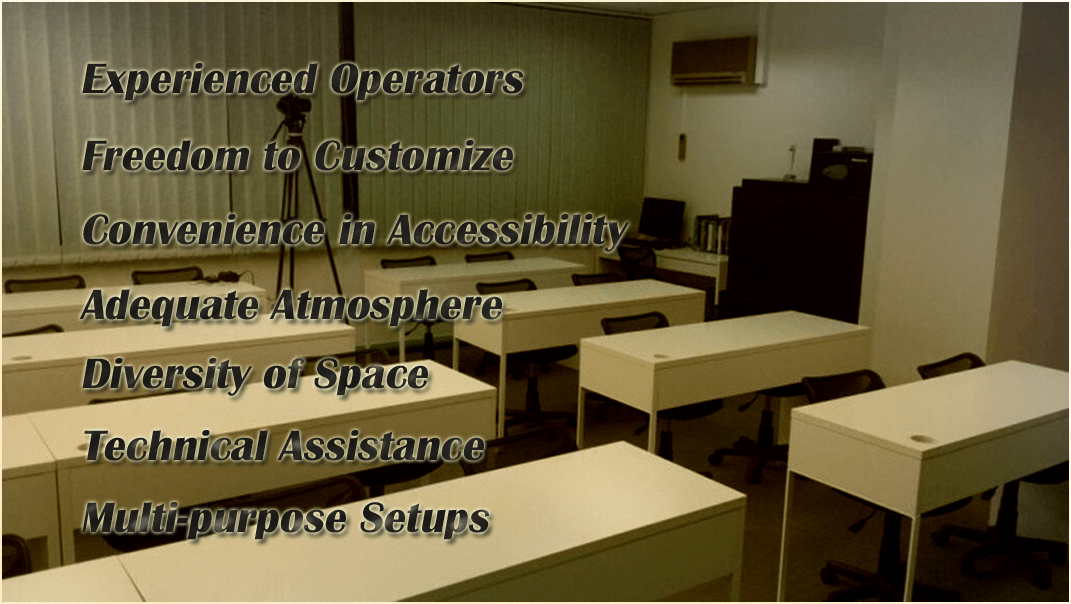
1. Experienced Operators

Rental training rooms in Singapore are being administered by people who have vast experience in conducting as well as managing various forms of training sessions. These rental training/seminar rooms have brought the best and most convenient training rooms you will ever experience, at prominent locations in Singapore.

2. Freedom to Customize

The aim is to aid their customers achieve results. Be it a board meeting, a conference, a workshop, seminar or any other sort of gathering. With their versatile management, they offer their customers the freedom of customization. The goal is to adapt their resources for each client, deliver them with high quality, well facilitated and equipped training rooms at an affordable cost.

3. Convenience in Accessibility

Singapore rental training rooms bring with them the opportunity to conduct business meetings, training/workshops in a most clannish, cozy and economical rental accommodation. Situated at various locations in Singapore, making it all the more convenient to access their services.

4. Adequate Atmosphere

Since, they understand the significance of corporative business meeting and how essential trainings and workshops are for clients, they believe that apart from a good representative, speaker or an instructor, right environment is a key to the perfection. These rental training room services are responsible for providing their customers with no less than best of their expectations. It is their topmost priority to facilitate clients with adequate atmosphere as well as technical support for their event to be a success.

5. Diversity of Space

These services are offering various different kinds of rooms according to the client’s needs and requirements, such as seminar room rental, classroom setups and more. The seminar/ training facilities are designed to accommodate guests with comfortable seating arrangements, ensuring that they feel at ease with the event. They assure you the best learning atmosphere in town.

6. Technical Assistance

They make it certain that their clients are well supplied with technical assistance. These seminar/training rooms are sufficiently equipped with the following;

  • High-quality resolution projectors, screens and remote clicker,
  • Whiteboard, flip board with markers and dusters,
  • LCD display screens
  • Efficient and fiber optics ultra-high speed internet connections,
  • High speed wireless internet connection for your guests and participants,
  • Wireless sound system and headphones, handheld headphones
  • Centrally air conditioned environment,
  • Split air conditions installed,
  • Water cooler dispensers,
  • Power supply ports,
  • Well-furnished and tidy restrooms.

7. Multiple Setups

These rental training rooms businesses in Singapore assist their customers with variety of arrangement styles for seminars and training. These setting include; u shaped setting, two types of class room settings round tables and theater type settings.

Bonus Features – Value Addition

In addition to these technicalities, these rooms are fully carpeted, comfortable and modern seats and tables are provided. They assure well-furnished, clean environment and tidy restrooms, with hygienic food outlets, buffet lounge upon reservation and abundant parking space.

4 Innovative Ways To Train Executives

Executive-training-programme-compressor

In connection to previous post that highlights the differences between an ordinary and executive training program, this post identifies different approaches to train executives. These innovative ways have been adopted by some of the world’s leading companies that continuously invest in developing their human resource, and get the best out of it.

1. Action Learning

This is the most widely used method for executive learning program. Action learning method has following attributes:

  • The CEO selects the challenge faced by business. The chosen challenge may be a strategic issue, a hard nut to crack even for senior management.
  • The training program consists of teams of participants. They are responsible to learn about the challenge and come up with recommendations to resolve it.
  • Participants are company’s executives or high potential employees. They are chosen by means of success planning process.
  • There is an executive coach who may be a senior executive sponsor responsible to conduct the training.

Benefits

  • Participants have a great opportunity to broaden their knowledge, enhance leadership capabilities, and get valuable exposure.
  • Organizations can get high ROI by resolving a potential business challenge through its executive team.

Action learning is harder to design and implement. You may want to hire someone experienced. Not to mention that your training space or rented  training room must be well equipped with modern-day requirements.

2. Business War Games

This one is really interesting. In this method, participants are divided into three to four teams. All but one team represent company’s competitors. The information is gathered around the competition (real and legal) and the teams compete against each other in a number of rounds.

You are going to need an external consultant to run war games, if you don’t have competitive intelligence to design them.

Benefits

  • Executives get learning experience and an opportunity to improve business analysis skills
  • You’ll be able to identify your own weaknesses and find opportunities to capitalize on competitors’ weak areas.

3. Business Simulations

This method is, in many ways, similar to war games. Business simulations involve participants competing against each other in a simulating environment. This method involves computer-based environment, so you may want to rent a classroom setup with the latest computer systems and software. Alternatively, you can introduce board games too.

Benefits

  • Business simulation games are focused on building behavior skills and business skills of executives
  • You can customize simulations by focusing on your company or the industry your serve in.

4. Executive Team Development

In order to get the maximum out of your executive, you can work on their soft skills and improve their coordination in achieving your business goal. You’ll need an external consultant with extensive experience of team development. He would assess teams, identify weaknesses and design discussion forums or activities to highlight behavioral issues within the teams.

Here, highly skilled consultant is very important who can address issues in a professional manner, rather than offending people. You can expect dramatic results from this kind of training.


For any kind of setup you can rely on rental facilities to get best results. You can get also rent a seminar room to conduct workshops and training sessions for executives related to different industries. Or you can conduct a company training in a relatively small facility.

5 Steps To Design A Training Process

Designing a training process requires vision, calculation, analysis and technical knowledge of operations. If you’re a professional trainer, you must be aware of the phases in which following information is essential:

  • Employees’ age and competency data
  • Actual and desired productivity of the company
  • Aggregate skill set of the company
  • Required skill set of the company

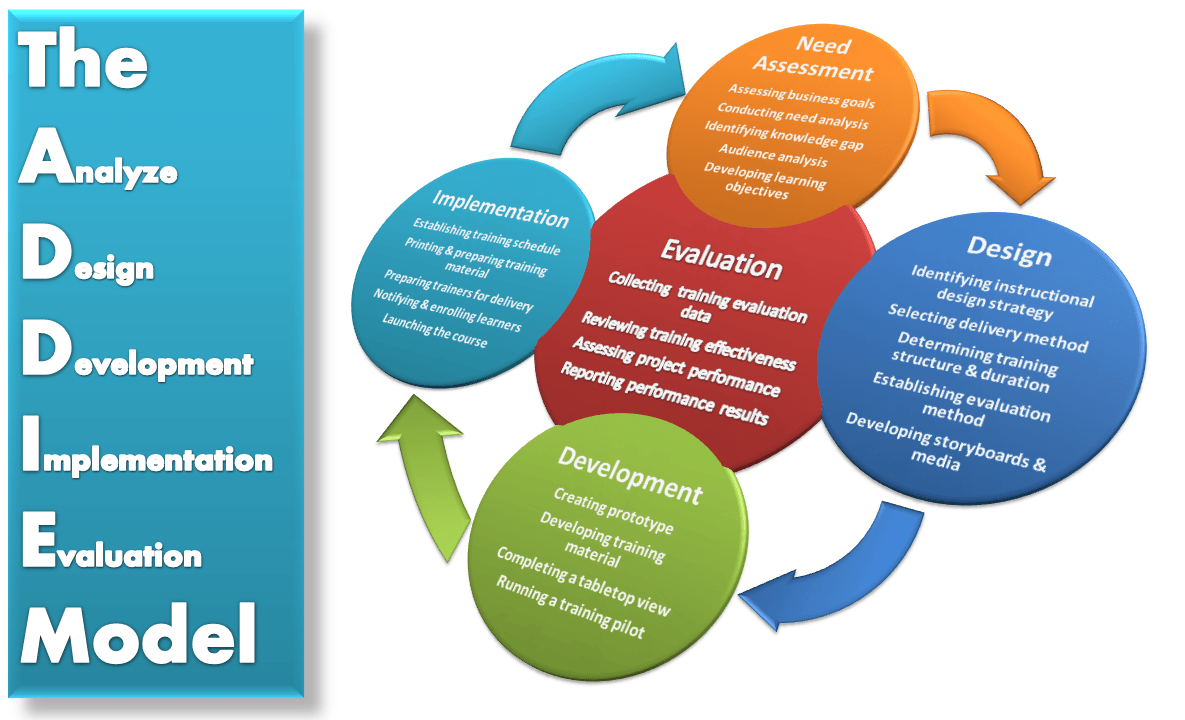
These data are vital for planning any kind of training. However, they’re the starting point for any training process, providing bases for actual training and the methods implemented by the trainer. The real solution for effective training design comes with the ADDIE Model, which has been categorized into 5 steps.

It is an instructional system design (ISD) model commonly used by training developers to create result-oriented training. The five phases are; Analysis, Design, Development, Implementation, and a they all are related to the final phase – Evaluation.

Addie-Model-compressor

  1. Training Assessment

Key deliverables: training plan and training need analysis

In this phase, you will work with business owners to assess goals of the training. The question here pertains with the kind of delivery method to be used, whether web-based training or instructor-lead training. Other related questions may be:

  • Who will be your audience?
  • What are their patterns of learning?
  • What is the deadline to produce desired results?
  1. Training Design

Key deliverables: high level design document and storyboard

After assessing the questions and finding their answers, the job of training designer will start. He begins by laying out the training content and prepare the design document. Although, this document will not contain the actual content, it will have:

  • The content outline
  • Media notes, and
  • Any groupings that you may find relevant to training, such as assessments or quizzes

Here, you can think about getting a training room for rent.

  1. Training Development

Key deliverables: course material, assessment instruments, guides and job aids, and course schedule

At this stage, you need to develop storyboards and graphic designs for training. Graphics will help elaborate technical content and enhances learning. In this phase, the most important task is to write the content. For web-based learning, you need to have some amount of text beforehand, to upload it on the website before the actual training. After the development of content, send it to business owners for approval. For instructor-lead training, the entire content is checked using all the necessary equipments. You may want to suggest a suitable training venue or a seminar room for rent to conduct employee training.

  1. Training Implementation

Key deliverables: participant assessments, feedback forms and attendance forms

After the approval of content, the training is in the launching phase. But before that, you need to distribute copies of the training content to all the training facilitators for review and testing.

  • Distribute manuals, software and books to concerned people
  • Complete registration and course scheduling
  • Arrange transportation for trainers and trainees, if necessary
  1. Training Evaluation

Key deliverables: program evaluation report, and project evaluation report

This phase is related to every phase and involves feedback from the people related to the training process. Feedback from business owners, project managers, instructional designers and participants helps training developers and trainers to improve flaws and prepare further courses. Evaluation helps determine the sufficiency of training material as well.

4 Essentials You Need To Consider While Training Executives

Executive-training-compressor

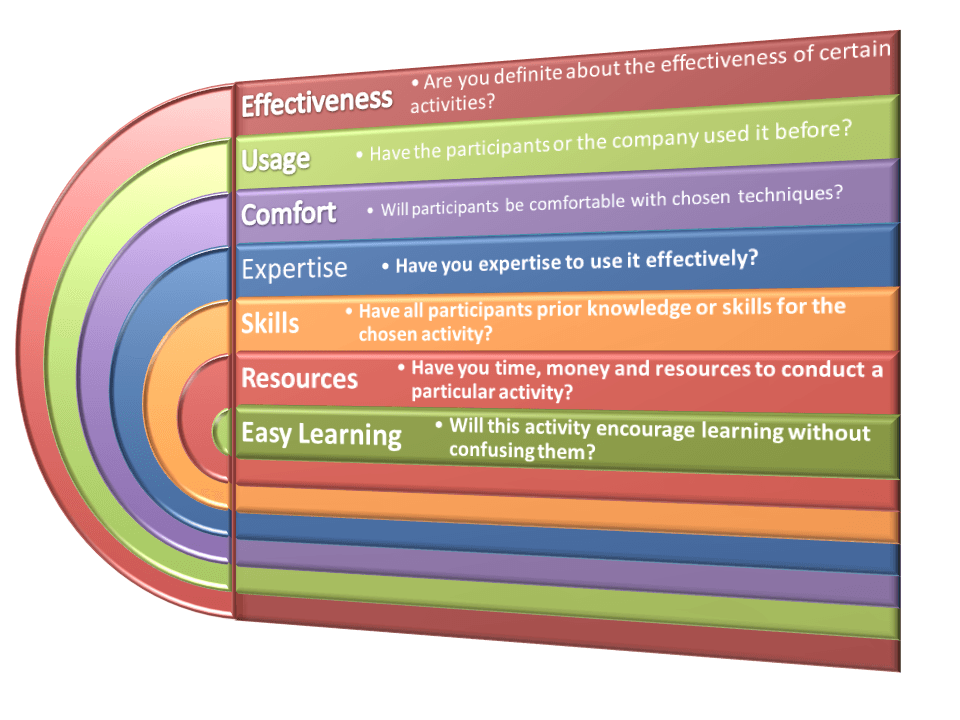
Training executives is a tough task. While designing an executive training program, make sure each and every element of training reflects through professionalism. A comprehensive executive training program answers following concerns:

Skill enhancement: why should executives join your classroom training at the first place? They want to know how a particular training can help them acquire in-demand skills. Remember, they already have a particular skill set. A small weakness in training can turn them away.

Improved Knowledge: a well-designed training program may prove to be ineffective if it consists of outdated or obsolete information. If your training program is focused on certain industry, it must have latest industry-specific facts and figures, as well as your own input as a trainer. If it’s a general purpose training focused on particular skill-set, you need to provide latest information as to where this skill or knowledge can help them in their niche.

Here are 4 main differences you may find in executives and should pay attention to:

  1. Training Pace

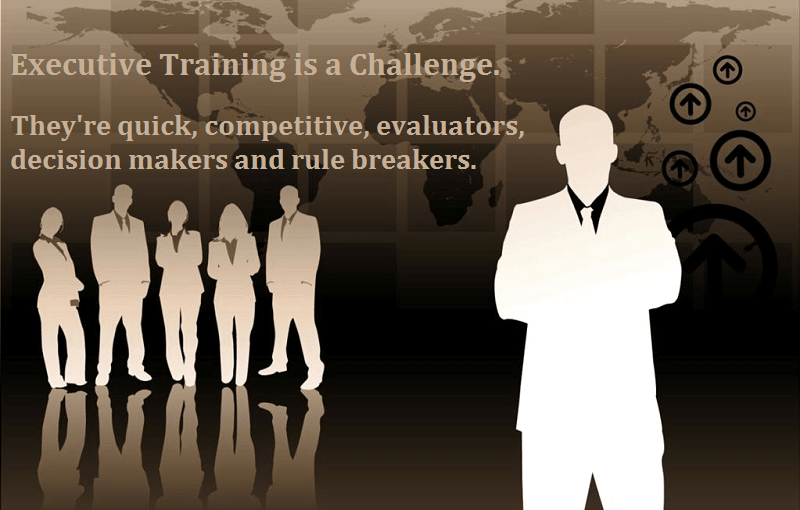
Executives are smart and can understand complex information reasonably quickly. They have a broader attention span as compared to average person. Just take a look at their daily routine.

The entire work-day executives spend in meeting, brain storming, planning, implementing and more. In these meetings, executives have to go through complex information that others have spent weeks to prepare. They’re expected to make quick decisions and suggest necessary measures.

Can you expect them to slow down the pace? You cannot take them out of their  comfort zones by spending too much time. If you try to slow down the pace, they’ll tell you to pace it up by waving their hands. “Come on! Move to the next topic”.

This is where you need to be very careful. Include as many different examples as possible, to let them understand why going deep into the topic holds importance. Ask questions and find out how much they understand.

Training room rental provides modern-day equipment to help you add variety of activities and examples to emphasize on certain topics.

  1. Quality of Content

Training content must be proactive, sophisticated, fresh and relevant. Executives will evaluate how they can achieve their business objectives in the lights of what they’re being trained for.

Apart from a few of them with intellectual curiosity, most will consider immediate relevance to their business or they’ll be less attentive. They’ll show you instantly that their time’s being wasted, by taking out their phones and mobile devices.

  1. Autonomy

One major thing to understand is, executives don’t want you to spoon feed them. They don’t like to be instructed. They are free to make their own decisions, their own rules. So, instead of making rules for them, your training should challenge them and see how they can utilize what they learnt to find out the best solution.

  1. Competition

Executives have competitive nature. So, the rules of “Safe learning environment” are out of question. Don’t waste your time establishing relationships, they can do it on their own because they’re quick to judge.

Executive training should consist of latest information, unique and relevant skill set, challenges and difficult scenarios. If you intend to get a seminar room for rent, make sure it has everything to impress all of them.

8 Important Steps To Design An Effective Training Program

In this post, you will learn the essentials of designing a training program, and implement them in your workshops, seminars, classroom sessions or field training.

There are 8 major design steps for a training program and each of them requires attention to details. You need to make sure that the program must be flexible and it can last for a long period.

  1. Identify Purpose and Target Audience

Be clear about your training needs to be accomplished. The purpose of training must be clear and you should have an idea about participants, to be able to deliver your training effectively. It would be better if you’ve already worked out Training Needs Assessment. Write down the purpose of your training and the audience it covers, and promote your program.

  1. Determine the Needs of Participants

There are different means to get this information:

  • By means of written survey that you can conduct at the time of registration: Collect general information, such as, education, level of income/knowledge, years of service/studies, and anything that’s relevant for your training.
  • By calling a random sample of registrants to note down general information: here, you can get detailed information, such as suitable time and days of the week for training; option of accessibility and more
  • Have access to company’s past training data: you can note down employees’ evaluation and feedback related to training in past.

The information received will help you assess the needs of participants.

  1. Describe Goals and Objectives of Training

This step is related to your expectations from training. You need to plan activities for every part of training. Choose appropriate training material and design evaluation procedures. Communicate program intent to administrators or supervisors, and make sure that the training is aligned with the purpose intended. If you don’t have in-house training facility, choose a suitable training room rental facility in Singapore or renting a seminar room according to the needs of training.

Training-Goals-compressor

  1. Sketch the Content

Content outline is divided into three parts:

  • Introduction: in which you have to establish constructive environment for learning
  • Learning components: these are the tools to engage participants in different training activities
  • Evaluation component: minimizes the gap between training and real life scenarios, to ensure all participants feel satisfied.

Training-Content-compressor

  1. Develop Instructional Activities

To make your training result-oriented there must be a variety of alternative strategies based on:

  • Learning styles
  • Adult learning principles
  • Education level/work experience of participants
  • Group size
  • Trainer’s style
  • Kind of information or skill to be provided

Training-activities-compressor

  1. Develop Written Design for Training

A written document must include a detailed training program, along with the goals. It must also include when and where each trainer will be introduced and who will flesh out major sections of training. The written document will help you and your team to keep track of the entire training process.

  1. Prepare Evaluation Form for Participants

The evaluation form will help you find out about:

  • Knowledge, expertise and style of trainer
  • How effective was the training
  • Whether more training is required on the particular topic
  1. Establish Follow-up Activities

Some strategies include:

  • Mentoring,
  • Booster sessions,
  • Individual Coaching,
  • Study groups,
  • Ongoing communication between trainer and participants,
  • Posting updates on websites and sending newsletters.

5 Benefits of Training To Get Loyal And Efficient Team

training-room-rental-compressor

Staff training is vital for business specific purposes, no matter what business you have. They may need a little help and instruction in handling a new book system, first aid or food handling. Including training that extends employees toward specific goals can also improve job satisfaction. A satisfied employee stays longer and shows better productivity while working as a team player.

Less Training – High Turnover

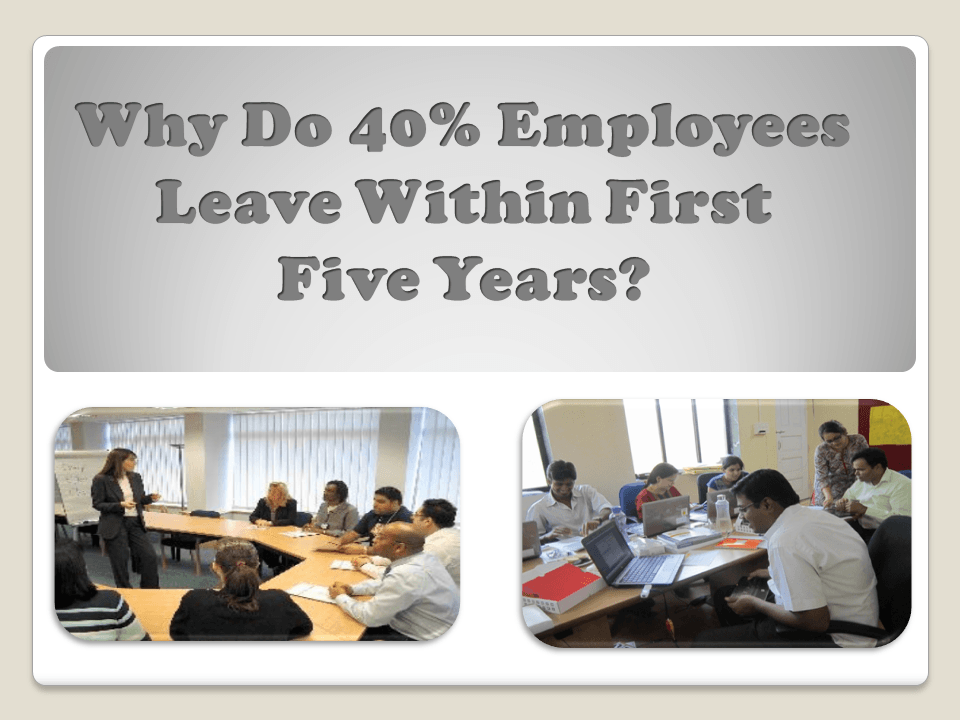
Lack of training facility is just a lame excuse, when you can get a training room rental with latest facilities and equipment. According to recent survey, 40% of the poorly trained employees vacate their positions without completing 5 years. Majority of them cite absence of skills training as the major cause of leaving.

With one contributor gone, either one or all of these things are likely to happen:

  • The overall productivity slips which leads to decline in sales.
  • Existing staff has to work longer, which leads to low team morale.
  • You need to screen and interview for the vacant post, followed by training.

Turnover cost rises with every step and varies with position, place and nature of work. For instance, a replacement cost of frontline employee can go beyond $2500. That’s what poor training (or the lack of training or team building) can do to you.

What Good Training Can Do To Your Business

Investing in good training is a little bit costly, but it pays you back big time. Here is a list of benefits training can provide you:

  1. Trained employees can manage your complex computer system, increase sales and resolve complaints in a better way. That’s what you need at the end of the day – better business.
  2. New employees with loads of theoretical knowledge want more from you. They wouldn’t settle for just a pay cheque. If new hires see you grooming talent and provide learning opportunities, they will stay with you for a longer period. You’re likely to receive more resumes and less salary negotiations if you have a proper development plan for recruits.
  3. Continuous and planned training raises job satisfaction. Whether it’s a company-owned facility or rented seminar room, improving skill sets of your employees will help them show better engagement and involvement at all levels.
  4. As mentioned above, training can help retain employees by making them professional, committed and loyal to you. If you face a new challenge and offer your employees to learn how to resolve it, they’ll be keen to take this opportunity to add another skill in their resumes. The emphasis is to remove boredom by keeping them involved with new activities.
  5. With so much to offer, training adds another some professional attributes that are vital for any organization – efficiency, alertness and flexibility. Cross-training helps employees to learn about other departments and their general procedures. It raises the confidence level and improves decision making.

Small to medium companies are showing interest in grooming their employees. They’re not only investing in making them loyal and efficient, they’re keen to retain employees by means of intangible incentives that can take them closer to their long-term objectives.

5 Good Reasons To Develop Your Workforce

Workforce TrainingSuccess and quality of workforce go hand in hand. In fact, success is the result of high performance and compliance to work standards. Your vision, knowledge about the market, work principles and their implementation become the driving force for the workforce to take your company to the top. And you know, it’s quite difficult to have an all-alert, well educated and self motivated team, unless you provide them opportunities to learn. This is why companies invest in training and development.

Why You Need To Develop Workforce?

Workforce development is as crucial for small companies as for large-scale companies. While large companies enjoy the privilege of getting market’s top professionals and fresh minds from top universities, small businesses need to create attraction through high-end training and job-specific courses.

Places like Singapore offer solid platforms for small scale business to improve the quality of workforce. To give your employees and added advantage, you can conduct seminars, workshops and classroom sessions by renting a training room in Singapore.

Here are few good reasons to conduct training and seminars for your employees:

  1. First of all, the management and executives need to have the “Wow Factor” that can give you an advantage over your competitors. With critical thinking courses, you can improve their analytical skills to help them understand complex data, and to take quick decisions if needed.
  2. With effective management and supervision, you can face any kind of challenge, and succeed. You need to encourage senior employees and executives to take part in such workshops and training sessions where they can learn new methods to tackle internal and external challenges of your company.
  3. Do you know your ROI? Do you know where your business stands after 5 years? What are the possible markets where you can penetrate and expand your customer base? These concerns are best answered by your business analyst. If you haven’t considered business analysis training session, better go for it now, as more and more companies are sending their employees to get that value added skill.
  4. If you’re new in the market, you might need to develop quality standards for your company. The best way is to send employees to training sessions and workshops to get as much awareness as possible. Even if you’re not new, there may be chances that your internal quality standards require improvements. The only way you can figure out weaknesses in your quality standards is by conducting a classroom session on latest market standards.
  5. Primary objective of any small business is enhancement and expansion. Business enhancement is an improvement in more than one aspect, including work standards, customer base, increased potential of employees and business, improvement in performance and many other things. You need to design a professional development course highlighting the key factors where you need improvement. You can get a seminar room for rent and conduct a comprehensive employee development course for a week.
  6. Motivate your employees and lift their spirits with team building activities so that they perform better at work and more productive.

Bonus – Conduct training for individuals

Apart from major training courses, you can invest in individual improvement of employees, on following courses:

  • Communication skills
  • Presentation skills
  • Customer service
  • Interpersonal skills
  • Business writing, and more

Needless to say that you have to find out the weaknesses in your company and take measures accordingly. Focus on things that need immediate improvements. All you need is continuous monitoring and consistency in employee development.

How To Manage Location Issues Related To Training

Training-room-locations-singaporeYou’re the best trainer with right kind of skills to turn fools into professionals. Still, you’re not satisfied with the number of queries. Perhaps, your training room doesn’t exist where it should be.

Trainer has to look at different aspects of training and location is one of the major factors to determine success or failure of your course. Learners may find it hard to attend training sessions because of time constraints. They may have responsibilities of job and families, making it impossible for them to attend the training.

Here are few examples of difficult locations:

Location Closer to Work

At times, employees chose locations closer to where they work. They think that a location closed to workplace will reduce their travelling time and they can get there on time. In reality, it doesn’t happen as employees tend to arrive late for classes. Moreover, they can get distracted easily.

Few organizations conduct training sessions after working hours – during evening or night. Many employees would disapprove the idea as they might have tight schedule or family commitments. This is the reason why most business owners don’t like to try this option.

What you can do:

A business owner you wouldn’t waste his time and money on training which is difficult to attend for employees. Prepare a training proposal according to the needs of business and emphasize on flaws that can only be removed with the help of effective training. Then consider the following tips:

  • Choose a training room rental in a location far from work.
  • Important training (such as initial training course) must be conducted outside the city so that the employees remain consistent and pay undivided attention.
  • For night training, make sure employees have a proper place to stay and relax. A hotel may be a good option. In this manner, you can avoid absences and get better results.

Locations Difficult to Access

If the training is held within the city, it is important to ensure that everyone should arrive without any difficulty. You need to identify transportation routes, transport options, transportation cost and any other thing that may cause difficulty. Employees can come up with excuses, such as:

  • Lack of transportation
  • Lack of name, address or contact information of the classroom
  • High travelling cost

What to do:

In order to ensure 100% attendance in training or seminar, propose the following:

  1. Circulate information and ensure that every one has received it. The circular must contain
  • Proper address of seminar room rental, with information about any popular place nearby
  • Information of route – subway, bus stand, cab stand
  • Time of training

At the same time, make sure that the training facility exists in safe and secure place, and not too far from their homes.

  1. Arrange transportation (if you have resources) with details of pick-up times of every participant. You may want to add the place where they should be picked up. If you’re providing own company transport, it is important to note down the names of those employees who chose self-conveyance.

Conclusion

Location has a huge role to play in identifying training facilities. If you’re a freelance trainer or own a business, you need to ensure that all participants attend your sessions with fresh minds. If you have understood these tips, you can easily manage the training issues related to location.